Introducing Gatekeeper Zero: A Modern Access Control & Security Platform
Gatekeeper Zero is a powerful access control and security platform built to manage authentication, authorization, and identity across modern applications.
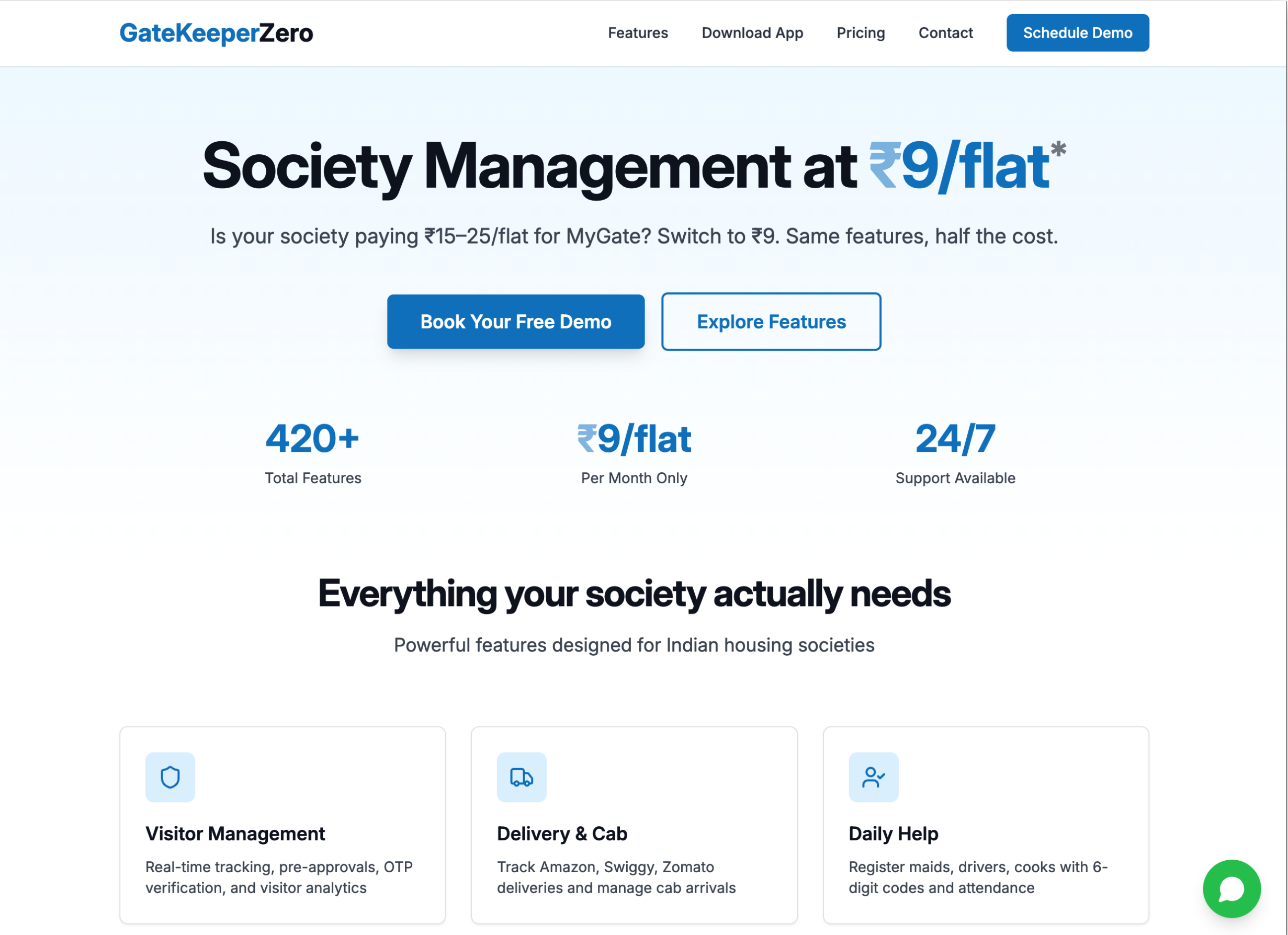
Live Project: gatekeeperzero.com
What Is Gatekeeper Zero?
Security is no longer a feature — it’s the foundation. Gatekeeper Zero is a security platform built around the idea that controlling who accesses what should be simple, transparent, and bulletproof.
Whether you’re managing a SaaS product, an internal tool, or a customer-facing application, Gatekeeper Zero gives you the infrastructure to define, enforce, and audit access policies at every layer.
Core Features
Fine-Grained Access Control
Gatekeeper Zero moves beyond simple role-based access. You can define policies at the resource level — specifying exactly which users, teams, or conditions allow access to individual endpoints, data objects, or UI components.
Real-Time Policy Enforcement
Access decisions happen at request time, not at login. This means revoked permissions take effect immediately without requiring users to re-authenticate.
Audit Logs & Visibility
Every access attempt — successful or denied — is logged with full context: who, what, when, and from where. The audit trail is queryable and exportable for compliance reporting.
Developer-First Integration
Gatekeeper Zero exposes a clean REST API and supports SDK-based integration. Drop it into your existing stack without rewriting authentication logic from scratch.
Why We Built This
Modern applications serve multiple user types: admins, customers, partners, internal teams. Managing permissions manually — through hardcoded role checks scattered across the codebase — doesn’t scale and becomes a security liability.
Gatekeeper Zero centralizes all of that logic in one place, making your application more secure and your codebase cleaner.
Get Started
Visit gatekeeperzero.com to learn more and explore the platform.